Legal Engineering
The Bridge Between Law and Automation

As workplaces increasingly lean into technological advancements to meet shifting client demands, the legal field cannot afford to stand still. Enter legal engineering: the unsung hero that bridges the gap between traditional legal practice and modern technology.
For immigration law firms, it's not just trendy corporate jargon; it's quickly becoming a necessity.
So, what exactly is legal engineering, and how might it change how immigration legal teams operate in the future?

Legal engineering in immigration law
Let's look at the potential impact when bringing a legal engineering mindset to immigration services. A few specific areas to focus on:
Workflow Automation:
Automating routine tasks like data entry and client status updates lets law firms reduce the need for manual inputs in their most frequent workflows. With automated processes, you can minimize the risk of human errors, provide more responsive services, and allow staff to focus on more complex, human-centric work.
Reduced Administrative Burden:
Digitizing your client intake process and appointment scheduling can drastically cut the amount of time spent by attorneys and paralegals on back-and-forth communications while improving your firm's accessibility. Consider a consultation scheduler with automated reminders and dynamic intake forms that's integrated seamlessly with your billing and payment processing system.
Consistency & Reliability:
With systematic digital processes, law firms can ensure consistent work product and high quality client services. Legal engineering can help remove the variable of human inconsistency from tasks that are prone to error (e.g. data entry or document preparation), ensuring standardized and reliable service delivery.
Data-Driven Decision Making:
Standardized legal workflows can help unlock insights and analytics that were previously unimaginable for most firms. Want to identify patterns in case preparation bottlenecks across your team? Or make more sense of fluctuations in USCIS processing delays? Legal engineering is the driver behind consistent and reliable data.
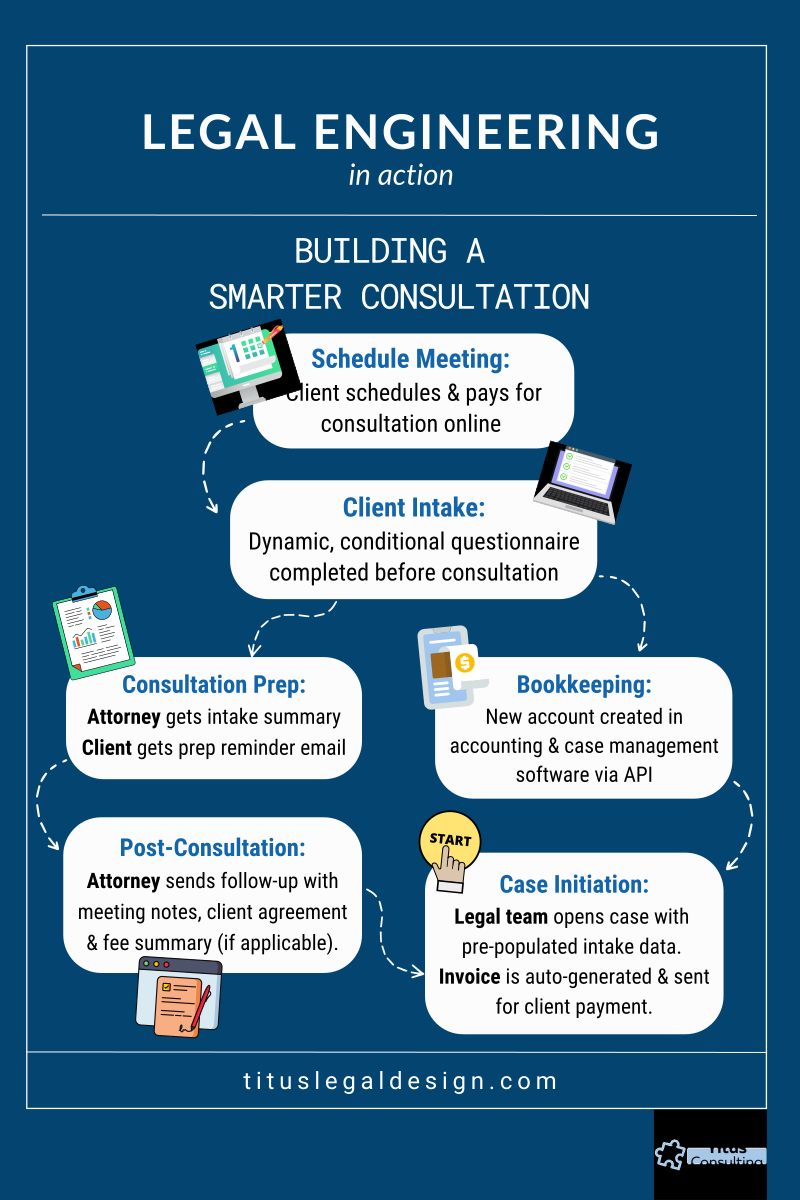
Human + Machine: A Symphony, Not a Replacement
Legal engineering isn't a scheme to remove human interaction from legal services. Quite the opposite, actually—this programmatic approach to our most common workflows lets legal professionals focus on high-value, genuine interactions with each client. By marrying technology with legal expertise and a strong feedback loop, immigration law firms can deliver services that aren't just efficient but also empathetic, client-centered, and cost-effective.
Again: legal engineering isn't about replacing the human touch in legal services; it's about empowering and optimizing it. While I hope this offers a foundational introduction to its impact and potential applications in immigration law, it's just the tip of the iceberg. Realistically, we're just getting started on unpacking the transformative potential that technology holds for legal service delivery.